Are you thinking about IVF but worried about the cost? You’re not alone. Many couples who dream of becoming parents look for good-quality IVF treatment that doesn’t break the bank. That’s why Nepal is becoming a popular choice for IVF. The country offers modern clinics, skilled doctors, and successful results, all at a more affordable price compared to places like the US or UK.
One of the biggest reasons people choose this country is the IVF cost in Nepal. It’s much lower than what you’d pay in other countries, but the quality of care is still excellent. Clinics like Next IVF Nepal are helping hundreds of couples every year with safe, affordable, and successful IVF treatments.
In this article, I’ll walk you through everything you need to know about the IVF cost in Nepal. You’ll learn what’s included, what to expect, and why it’s a smart choice for people looking for a fresh start in their parenthood journey. Let’s explore how Nepal can help you complete your family without the high price tag.
What is IVF?
IVF stands for In Vitro Fertilization. It’s a medical treatment that helps couples who are having trouble getting pregnant naturally. In simple words, IVF means joining the egg and sperm outside the body in a lab to create an embryo (a baby in its very early stage). Once the embryo is ready, doctors place it into the woman’s uterus, where it can grow like a natural pregnancy.
This process is helpful for couples facing issues like blocked fallopian tubes, low sperm count, irregular ovulation, or unexplained infertility. IVF is also used by single parents or same-sex couples who want to have a child with the help of a donor.
The entire process is done carefully by fertility specialists using modern equipment. One IVF cycle usually takes about 3 to 6 weeks. Though it doesn’t guarantee pregnancy every time, IVF has helped millions of people around the world become parents.
So, if natural methods haven’t worked, IVF can be a great option to try, especially in countries like Nepal, where the treatment is advanced yet affordable.
How Does IVF Work?
IVF is a step-by-step process that helps people become parents when they are not able to get pregnant naturally. Here’s how it works:
- Egg Stimulation:
The woman takes special medicines for about 10–12 days to help her ovaries make more eggs than usual. - Egg Collection:
When the eggs are ready, a doctor gently removes them from the woman’s body using a thin needle. This is done under light sedation, so it doesn’t hurt much. - Sperm Collection:
On the same day, the male partner gives a sperm sample. If a donor is needed, sperm from a sperm bank is used. - Fertilization:
The collected eggs and sperm are mixed in a lab. If one sperm enters an egg, it creates an embryo. - Embryo Transfer:
After a few days, the best embryo is placed into the woman’s uterus. This is a quick and simple process. - Pregnancy Test:
After about 10–14 days, a blood test is done to see if the woman is pregnant.
IVF Process Step-by-Step
The following table helps you to know how the IVF process works step-by-step:
| Step | What Happens in IVF |
| 1. Consultation | Meet the fertility doctor. Basic tests are done to understand your body’s needs. |
| 2. Hormone Injections | Women take hormone injections for 10–12 days to produce multiple eggs. |
| 3. Egg Retrieval | Eggs are collected from the woman’s ovaries using a small needle (painless with light sedation). |
| 4. Sperm Collection | Male partner gives sperm sample. Donor sperm can be used if needed. |
| 5. Fertilization | Eggs and sperm are mixed in the lab. If fertilization happens, embryos are formed. |
| 6. Embryo Culture | Embryos grow in the lab for 3–5 days. Best quality embryos are selected. |
| 7. Embryo Transfer | One embryo is placed into the woman’s uterus. It’s a simple and painless procedure. |
| 8. Pregnancy Test | After 10–14 days, a blood test is done to check if pregnancy has started. |

IVF Cost in Nepal
When it comes to starting a family through IVF, Nepal has become a trusted and affordable destination. The cost of IVF here is much lower compared to many Western countries, but the treatment quality remains high. Whether you’re a local or an international couple, clinics like Next IVF Nepal offer advanced fertility services with experienced doctors and modern labs.
The total cost depends on several things, like the clinic’s location, success rates, type of IVF procedure, and whether you need extras like egg or sperm donation. Below is the cost structure (to be filled based on current pricing data):
| Service / Component of IVF | IVF Cost in Nepal (USD) |
| Initial Consultation | $50 – $100 |
| Fertility Evaluation (Blood Tests, Scan) | $150 – $250 |
| Ovulation Stimulation Medications | $1,000 – $1,500 |
| Ultrasound Monitoring (Cycle) | $200 – $300 |
| Egg Retrieval (OPU Procedure) | $500 – $800 |
| Sperm Collection & Preparation | $100 – $200 |
| Fertilization (IVF/ICSI Procedure) | $1,000 – $1,200 |
| Embryo Transfer | $300 – $500 |
| Luteal Support & Hormone Medications | $200 – $400 |
| Pregnancy Test (Beta hCG) | $50 – $100 |
Elements Affecting the IVF Cost in Nepal
Here are the main factors that influence IVF cost in Nepal:
Age of the Patient
The age of the woman is one of the biggest factors affecting IVF cost. Women above 35 may require more hormone injections and close monitoring to help their ovaries produce healthy eggs. In some cases, older women may also need additional IVF techniques or donor eggs, which add to the overall treatment cost.
Younger women, on the other hand, usually have better ovarian response and may need less medication, making the process more affordable. Therefore, age directly affects both the success rate and the cost of IVF in Nepal.
Type of IVF Procedure
The kind of IVF procedure you choose makes a big difference in cost. Standard IVF is usually the most affordable however, if you need advanced methods like ICSI (where a single sperm is injected directly into the egg), the price increases.
Other advanced options like PGD (genetic testing of embryos) or PGS also come with extra lab work and charges. These techniques are not included in regular IVF packages and are suggested based on specific medical needs. Always ask your doctor which type is best for you and why.
Use of Donor Eggs or Sperm
Sometimes, couples cannot use their own eggs or sperm. In such cases, donor eggs or sperm are used. This can significantly raise the cost of IVF. Clinics charge for finding and screening a donor, medical testing, and compensation.
If you use donor eggs, the donor also goes through hormone treatment and egg retrieval, which adds to the total cost. Donor sperm is usually less expensive but still involves screening and storage fees. This option is helpful but increases the overall IVF budget.
Number of IVF Cycles
IVF may not be successful on the first try. Some couples may need to repeat the process two or three times. Each new cycle includes fresh medications, monitoring, and embryo transfer, which all add to the cost.
Some clinics offer packages for multiple cycles at a discounted price, but the cost still rises if you need more than one attempt. It’s important to plan financially for this possibility, especially if your doctor suggests that your condition may need more than one IVF round.
Medications and Hormones
Fertility drugs make up a major part of IVF costs. These include injections to help the ovaries produce eggs, medications to trigger ovulation, and other supportive treatments.
The dose and type of medicine vary from person to person, depending on age and body response. Some women need more medicines or stronger doses, which cost more. These drugs are usually not included in the base IVF package, so it’s important to check with your clinic about the estimated cost for your medications in advance.
Diagnostic Tests
Before IVF begins, doctors need to run several medical tests. These include blood tests to check hormone levels, semen analysis, infectious disease screening, and ultrasound scans. These tests help doctors plan your treatment properly and avoid risks.
Some clinics include these in the initial package, while others charge separately. The cost of these tests can add up, especially if any repeat testing is required. Always ask your clinic which tests are included and whether you’ll need to pay for additional diagnostics.
Embryo Freezing and Storage
In many IVF cases, more than one embryo is created. Instead of transferring all at once, the remaining healthy embryos can be frozen for future use. Freezing embryos involves extra lab work and equipment, and storing them long-term has yearly fees.
Later, if you use frozen embryos in a new cycle (called Frozen Embryo Transfer or FET), there will be separate costs for thawing and transfer. Freezing gives you more chances without restarting IVF from scratch, but it adds to the overall cost.
Clinic Facilities and Technology
The quality of the clinic and the technology it uses can also affect how much you pay. High-end clinics often use advanced methods like time-lapse embryo monitoring, laser-assisted hatching, or blastocyst culture, which give better success rates but come at a higher cost. These clinics also have experienced doctors, strong safety measures, and better success tracking. While you may pay more at such centres, you may need fewer cycles, which can save money and stress in the long run.
Geographical Location
The cost of IVF in Nepal can vary depending on the city and region. Clinics in big cities like Kathmandu usually charge a bit more due to higher demand and access to the latest technology.
Smaller cities like Pokhara or Biratnagar may have lower costs, but not all may offer the same level of services. However, good clinics exist in both large and small cities. It’s important to look for both cost and quality when choosing your clinic, no matter the location.
Additional Procedures
Sometimes, additional procedures are suggested to increase the chances of success. These include PGD (to check embryos for genetic conditions), laser-assisted hatching, and embryo glue.
These techniques are not part of regular IVF and come at an extra price. Your doctor may recommend these if you’ve had failed IVF attempts in the past or if you are at risk for genetic issues. These options improve success chances but should only be used when medically needed, as they raise the total cost.
Follow-ups and Consultations
IVF involves many doctor visits before, during, and after the procedure. Some of these may be included in the IVF package, but many clinics charge separately for extra consultations, blood tests, and scans.
These follow-ups are important to monitor progress, adjust medicines, and confirm pregnancy. It’s a good idea to ask the clinic in advance about what’s included in the price and what’s considered an extra charge. This helps you avoid any surprises later in the process.
Why Choose Nepal for IVF?
Nepal is rapidly becoming a preferred destination for couples seeking fertility treatment. This is due to several important reasons that combine quality care, affordability, and convenience.
1. Affordable IVF Costs
One of the biggest advantages of choosing Nepal for IVF is the cost. Compared to countries in Western Europe, the United States, or even some parts of Asia, the price of IVF treatment in Nepal is significantly lower. This makes it an attractive option for medical tourists who want world-class fertility care without the heavy financial burden. Lower costs do not mean compromising on quality clinics here maintain high medical standards while making treatment more accessible.
2. Experienced Doctors
Nepal’s fertility specialists are often internationally trained and bring with them extensive experience in reproductive medicine. Many doctors have trained or worked abroad and have adapted the latest global best practices into their care. This ensures that patients receive expert guidance and treatments based on the most up-to-date research and techniques.
3. Modern Clinics
Leading fertility centres in Nepal, such as Next IVF, are equipped with state-of-the-art laboratories and cutting-edge technologies. This includes advanced diagnostic tools, embryo freezing methods, ICSI, PGD, and more. These modern facilities ensure that every step of the IVF process is handled with precision and care, improving the chances of success.
4. Easy Visa and Travel Access
Nepal is strategically located and well-connected, making it easy for international patients to travel here. Visa processes are generally straightforward, especially for people from neighboring countries in Central Asia, Russia, and even parts of Europe and Asia. This ease of access reduces the stress often associated with medical travel and allows patients to focus on their treatment and recovery.
5. Personalized Care
Unlike overcrowded clinics in some countries, fertility centres in Nepal typically have smaller patient loads. This means doctors and staff can spend more time with each patient, offering personalized consultations, tailored treatment plans, and emotional support throughout the journey. Patients often find this attentive care reassuring and comforting during what can be a challenging time.
International Patients at Next IVF Nepal
The clinic welcomes patients from:
- India
- Uzbekistan
- Kyrgyzstan
- Russia
- Turkey
- Middle Eastern countries
- Europe (select countries)
They offer support with:
- Visa and travel assistance
- Hotel and local stay
- Medical translators
- Transport to and from the clinic
- Remote consultations
What is the success rate of IVF at Next IVF Nepal?
The success rate of IVF treatment at Next IVF Nepal varies depending on several factors, including the patient’s age, health condition, and type of procedure used. Generally, for couples using their own eggs, the success rate ranges between 50% to 60%. This means that around half of the patients undergoing IVF achieve pregnancy through the clinic’s treatment protocols.
For patients opting for donor eggs, the success rate tends to be higher, reaching approximately 70% to 75%. Donor eggs often come from younger, healthy donors, which improves the chances of successful fertilization and implantation.
Next IVF Nepal uses modern technology and follows international standards, which contribute to better outcomes. However, individual results may vary based on personal health factors, lifestyle, and adherence to medical advice. Patients are encouraged to consult directly with the clinic to get a clearer understanding of their specific chances of success.
Why trust Next IVF Nepal?
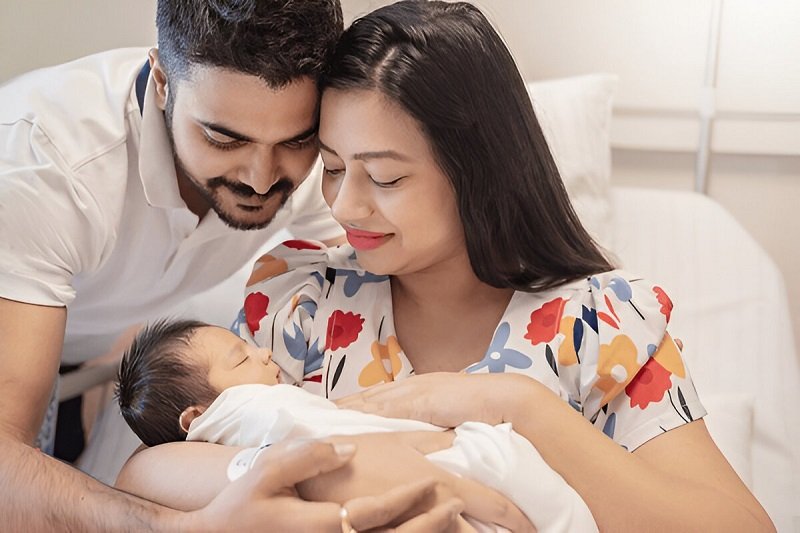
Struggling with infertility can be emotionally and physically challenging, but you don’t have to face it alone. At Next IVF Nepal, we combine advanced science with genuine care and compassion to help you realize your dream of becoming a mom and dad.
Our centre is dedicated to supporting every couple with personalized fertility solutions tailored to your unique needs. We understand how deeply you desire to start or expand your family, and that’s why our expert team, including IVF specialists, gynecologists, embryologists, and supportive staff, stands by your side every step of the way.
Why choose Next IVF Nepal as your trusted fertility partner?
- Comprehensive treatments: From IVF, IUI, and frozen embryo transfer to ovum and semen donation, laparoscopy, ICSI, PGD, and male infertility care — we offer the full spectrum of cutting-edge fertility services.
- High success rates: Our proven protocols and experienced specialists maximize your chances of success.
- Affordable care: Quality fertility treatment should be accessible to all. We provide world-class solutions at pocket-friendly prices without compromising on care or outcomes.
Don’t wait any longer to begin your journey toward parenthood. Contact Next IVF Nepal today at +91 7827636596 or email us at info@nextivf.com. Together, we’ll make your dream of having a family a beautiful reality — with the right centre, the right doctors, and the right care.
Final Lines
IVF is a life-changing option for couples struggling with fertility. Nepal offers affordable and high-quality IVF treatments with compassionate care and modern facilities. Whether you’re a local couple or coming from abroad, Nepal’s fertility clinics provide a good balance between cost, success rate, and care quality.
However, every person’s fertility journey is different. The total IVF cost can vary based on medical needs, medications, and the chosen clinic. Always consult with a trusted fertility specialist to get a clear estimate and understand what’s best for your case.
With the right guidance and support, your dream of becoming a parent can come true, without putting too much pressure on your pocket.
FAQs (Frequently Asked Questions)
1. What is the average cost of IVF in Nepal?
The average cost of a single IVF cycle in Nepal ranges between NPR 3,00,000 to NPR 4,50,000. However, the cost may vary depending on the clinic, your health condition, and whether you use donor eggs, ICSI, or other advanced techniques.
2. Is IVF treatment in Nepal affordable compared to other countries?
Yes, IVF in Nepal is much more affordable than in many Western or developed countries. Despite the lower cost, many clinics offer high-quality care with international standards and good success rates.
3. Are medications included in the IVF package cost?
In most cases, medications are not fully included in the basic IVF package. Fertility medicines can cost an additional NPR 80,000 to NPR 1,50,000, depending on how your body responds.
4. Do clinics in Nepal offer donor egg or sperm services?
Yes, many clinics in Nepal provide donor egg and sperm programs. These services come with extra charges for screening, donor compensation, and coordination.
5. How many IVF cycles are usually needed to get pregnant?
Some couples succeed in the first cycle, while others may need 2–3 attempts. Success depends on age, egg quality, sperm health, and overall medical conditions.
6. Can international patients do IVF in Nepal?
Yes, Nepal is a popular destination for fertility tourism. Many clinics offer special support for international patients, including visa help, travel guidance, and translator services.
7. What additional costs should I be aware of?
Apart from the IVF cycle, extra charges may include blood tests, consultations, embryo freezing, PGD, or donor services. Always ask your clinic for a detailed price breakdown before starting.