Fertility challenges are becoming increasingly common, and many couples in Kenya are seeking advanced treatments to realize their dream of parenthood. One of the most trusted options in the country is IVF at Kenyatta Hospital. Known as the largest public referral and teaching hospital in Kenya, Kenyatta National Hospital (KNH) offers specialized fertility services that combine advanced medical technology with expert care.
Couples often wonder about the IVF Cost in Kenyatta Hospital, as it is a crucial factor in planning their treatment. The cost can vary depending on the type of IVF procedure, additional techniques like ICSI or genetic testing, and any required medications. While IVF can be a significant investment, the hospital provides affordable and quality care compared to private fertility centers in the region.
Understanding the IVF cost is essential for couples to plan both financially and emotionally. By knowing what is included in the treatment, such as consultation, egg retrieval, embryo culture, and embryo transfer, couples can prepare for a smooth and well-informed IVF journey.
In this article, we will break down the IVF Cost in Kenyatta Hospital, explore factors affecting the price, share tips for a successful IVF journey, and highlight the hospital’s fertility services, so couples can make informed decisions about their path to parenthood.
What is IVF?
IVF (In-Vitro Fertilization) is a modern fertility treatment that helps couples conceive when natural pregnancy is difficult. At Kenyatta Hospital, IVF is performed using advanced laboratory techniques combined with expert medical care to maximize success rates.
The process involves retrieving eggs from the woman’s ovaries and fertilizing them with sperm in a controlled laboratory environment. After a few days of careful monitoring, the healthiest embryos are selected and transferred into the woman’s uterus. If successful, the embryo implants in the uterus, resulting in pregnancy.
IVF is particularly useful for couples facing challenges such as blocked fallopian tubes, low sperm count, ovulation problems, or unexplained infertility. The treatment at Kenyatta Hospital may also include advanced techniques like ICSI (injecting a single sperm into an egg), PGT/PGD (genetic testing of embryos), or the use of donor eggs or sperm when necessary.
With skilled fertility specialists, state-of-the-art facilities, and supportive care, IVF at Kenyatta Hospital offers hope to couples dreaming of parenthood. Patients benefit from a combination of quality medical guidance, affordable costs, and a structured treatment plan that caters to their unique fertility needs.
How Does IVF Work at Kenyatta Hospital?
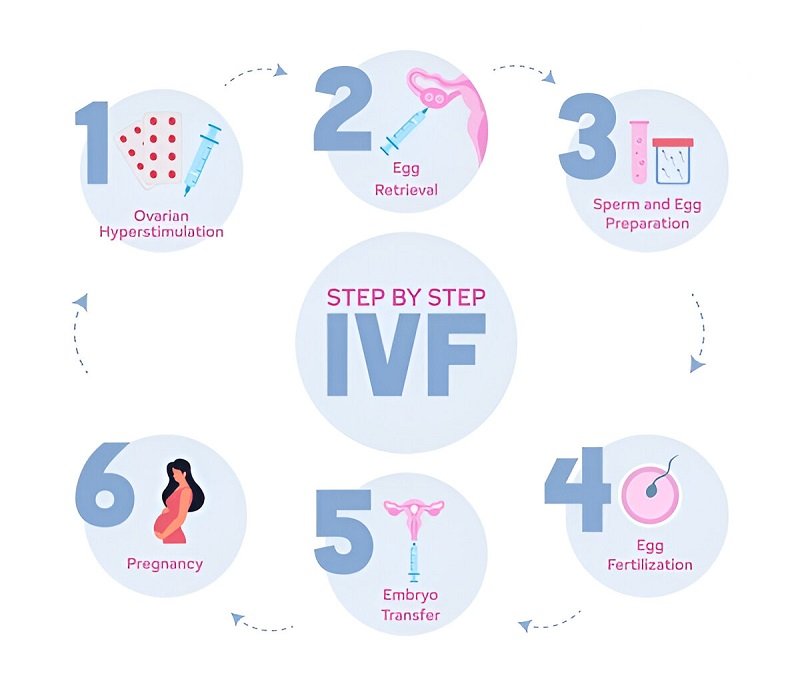
At Kenyatta Hospital, IVF (In-Vitro Fertilization) follows a structured process designed to maximize the chances of pregnancy while ensuring patient comfort and safety. Here’s how it works step by step:
- Ovarian Stimulation
The woman receives hormonal medications to stimulate her ovaries to produce multiple eggs.
Regular blood tests and ultrasounds are done to monitor egg development and determine the optimal time for retrieval.
- Egg Retrieval
Mature eggs are collected through a minor surgical procedure under light sedation.
This process is quick and generally safe, with minimal discomfort.
- Fertilisation in the Laboratory
Retrieved eggs are combined with sperm in a controlled lab setting.
In cases of male infertility, ICSI (Intracytoplasmic Sperm Injection) may be used, where a single sperm is injected directly into an egg.
- Embryo Culture
Fertilized eggs develop into embryos over 3–5 days while being monitored by skilled embryologists.
The healthiest embryos are selected for transfer.
- Embryo Transfer
One or more embryos are placed into the woman’s uterus using a thin, flexible catheter.
This is a simple procedure that typically does not require anesthesia.
- Pregnancy Monitoring
After the transfer, hormone levels and ultrasounds are checked to confirm implantation and pregnancy.
Additional techniques like PGT/PGD (genetic testing) or donor eggs/sperm may be used depending on the couple’s needs. With experienced doctors and modern laboratory facilities, Kenyatta Hospital ensures a high level of care and guidance throughout the IVF process.
Who Needs IVF?
IVF at Kenyatta Hospital is recommended for couples or individuals who face challenges in conceiving naturally. Not everyone requires IVF, but it becomes a valuable option when other fertility treatments are unsuccessful.
- Women with blocked or damaged fallopian tubes
Fallopian tubes are essential for natural fertilization. If they are blocked or damaged due to infection, surgery, or endometriosis, IVF bypasses the tubes by fertilizing eggs outside the body.
- Men with low sperm count or poor sperm quality
Male infertility is a common reason for IVF. Techniques like ICSI (Intracytoplasmic Sperm Injection) allow a single healthy sperm to fertilize an egg, increasing the chances of conception.
- Women with ovulation disorders
Conditions like PCOS or hormonal imbalances may prevent regular ovulation. IVF helps retrieve eggs directly from the ovaries, bypassing ovulation issues.
- Couples with unexplained infertility
Sometimes, even after thorough testing, the cause of infertility cannot be determined. IVF can help these couples achieve pregnancy when other treatments fail.
- Individuals or couples needing genetic testing
IVF combined with PGT/PGD can help prevent passing on genetic disorders to the baby.
- Older women
Women above 35 may experience declining fertility. IVF, sometimes using donor eggs, can increase the chances of conception.
IVF Cost in Kenya

The IVF cost in Kenya varies widely depending on the clinic, location, and specific services required. On average, a single IVF cycle in Kenya costs between KES 200,000 to KES 400,000 (approximately USD 1,500 to USD 3,500). This price generally includes ovarian stimulation, egg retrieval, fertilization, and embryo transfer.
Additional costs might apply for services such as:
- Fertility medications (which can range from KES 50,000 to KES 150,000)
- Intracytoplasmic sperm injection (ICSI) if required
- Preimplantation Genetic Diagnosis (PGD) or Screening (PGS)
- Embryo freezing and storage
- Additional consultations or scans
| Treatment Type | Cost Range (KES) | Cost Range (USD) |
| Basic IVF Cycle | 250,000 – 400,000 KES | $2,000 – $3,200 |
| IVF with ICSI | 350,000 – 500,000 KES | $2,800 – $4,000 |
| Frozen Embryo Transfer | 80,000 – 150,000 KES | $640 – $1,200 |
| Egg Donation | 400,000 – 600,000 KES | $3,200 – $4,800 |
| IVF Medications | 100,000 – 200,000 KES | $800 – $1,600 |
The following is the table of expenses involved in the procedure of IVF packages at Next IVF Kenya:
| City | Estimated IVF Cost Range (KES) | Estimated IVF Cost Range (USD) |
| IVF Cost in Nairobi | 300,000 – 500,000 KES | $2,400 – $4,000 |
| IVF Cost in Mombasa | 280,000 – 450,000 KES | $2,240 – $3,600 |
| IVF Cost in Kisumu | 250,000 – 400,000 KES | $2,000 – $3,200 |
| IVF Cost in Eldoret | 250,000 – 380,000 KES | $2,000 – $3,040 |
| IVF Cost in Nakuru | 260,000 – 400,000 KES | $2,080 – $3,200 |
Common IVF Services Offered in Kenya
Kenya has become a growing hub for fertility treatments, with many reputable clinics providing a wide range of IVF services in Kenya to help couples overcome infertility. Here are some of the most common IVF-related treatments you can expect at leading fertility centres across the country:
1. In Vitro Fertilization (IVF) Basic Cycle
The standard IVF process involves egg stimulation, retrieval, fertilization, and embryo transfer. This is the foundational treatment for many couples facing infertility in Kenya.
2. Intracytoplasmic Sperm Injection (ICSI)
ICSI is an advanced IVF technique where a single sperm is injected directly into an egg. This service is especially helpful for male infertility cases such as low sperm count or poor sperm motility. Many Kenyan fertility clinics offer ICSI to improve fertilization rates.
3. Intrauterine Insemination (IUI)
Although not technically IVF, IUI is a common fertility procedure offered alongside IVF treatments. It involves placing washed sperm directly into the uterus around the time of ovulation to increase the chances of fertilization.
4. Frozen Embryo Transfer (FET)
Clinics in Kenya provide FET services where embryos frozen from previous IVF cycles are thawed and transferred to the uterus, offering another chance at pregnancy without the need for full ovarian stimulation again.
5. Egg and Sperm Donation
For couples where either partner has fertility challenges, donor eggs or sperm are available at many fertility centres in Kenya. Donor programs are strictly regulated to ensure safety and ethical practices.
6. Preimplantation Genetic Diagnosis (PGD) and Screening (PGS)
These advanced genetic tests help identify healthy embryos before transfer, reducing the risk of genetic disorders. PGD/PGS services are offered in some of the top fertility clinics in Kenya.
7. Embryo Freezing and Storage
Kenyan IVF centres also offer embryo freezing services, allowing patients to preserve embryos for future use, which can be particularly useful for delaying pregnancy or in cases of medical treatments.
8. Fertility Medications and Monitoring
Personalized fertility drug protocols and regular monitoring through ultrasounds and blood tests are standard parts of IVF treatment to maximize success rates.
Causes of Infertility
Understanding the causes of infertility is essential before starting IVF at Kenyatta Hospital, as it helps doctors provide the most effective treatment. Infertility can affect both men and women, and sometimes both partners contribute to the difficulty in conceiving.
1. Female Factors
- Blocked Fallopian Tubes: Scarring or blockage prevents eggs from meeting sperm naturally.
- Ovulation Disorders: Conditions like PCOS (Polycystic Ovary Syndrome) or hormonal imbalances can stop regular ovulation.
- Endometriosis: Tissue similar to the lining of the uterus grows outside the uterus, affecting fertility.
- Age-Related Decline: Fertility naturally declines after 35, reducing egg quality and quantity.
- Uterine Abnormalities: Fibroids, polyps, or congenital issues may hinder implantation.
2. Male Factors
- Low Sperm Count: Fewer sperm reduce the chances of fertilization.
- Poor Sperm Motility: Sperm that cannot swim properly may not reach the egg.
- Abnormal Sperm Shape: Irregular sperm can affect fertilization.
- Genetic Conditions: Some inherited issues affect sperm production.
3. Combined or Unexplained Infertility
- In some cases, both partners have fertility challenges.
- Sometimes, despite thorough testing, no clear cause is found. IVF can still help in these situations.
Benefits of IVF at Kenyatta Hospital
IVF at Kenyatta Hospital offers numerous advantages for couples struggling with infertility. The hospital combines advanced medical technology with experienced fertility specialists to provide high-quality care and maximize the chances of pregnancy. Here are the key benefits:
- Access to Experienced Specialists
The hospital has a team of skilled doctors and embryologists who guide patients through every step of the IVF process, ensuring safe and effective treatment.
- Affordable Fertility Treatment
Being a public referral hospital, Kenyatta offers IVF at a relatively lower cost compared to private clinics, making it accessible for more couples.
- Advanced Laboratory Facilities
Modern IVF laboratories with controlled conditions ensure proper fertilization and embryo development. Techniques like ICSI and PGD/PGT are available to improve success rates.
- Personalized Treatment Plans
Each patient receives a customized plan based on their fertility status, age, and medical history, enhancing the likelihood of successful conception.
- Support for Complex Cases
The hospital can manage cases with severe infertility issues, including low sperm count, blocked tubes, or repeated IVF failures.
- Comprehensive Care
From initial consultations to follow-ups after embryo transfer, the hospital provides holistic care, including emotional and psychological support.
- High Success Rates
With expert guidance and advanced procedures, IVF at Kenyatta Hospital has success rates comparable to private clinics, especially for women under 35.
Tips for a successful IVF journey

Starting an IVF journey can be both exciting and challenging. While medical expertise is essential, couples can take several steps to improve their chances of success and make the process smoother. Here are some useful tips:
- Choose the Right Clinic and Doctor
Research fertility clinics in Mozambique carefully. Look for clinics with good success rates, experienced doctors, and positive patient reviews. Skilled embryologists and supportive staff play a crucial role in IVF outcomes.
- Understand Your Fertility Status
Complete a full fertility evaluation before starting IVF. Knowing factors like ovarian reserve, sperm quality, and any underlying medical conditions helps doctors tailor the treatment for better success.
- Maintain a Healthy Lifestyle
A balanced diet, regular exercise, avoiding smoking and alcohol, and managing stress can positively impact fertility. Healthy habits improve egg and sperm quality and overall IVF outcomes.
- Follow Medical Guidance Strictly
Take prescribed medications on time and attend all check-ups. Hormonal balance and proper monitoring are vital for optimal egg development and embryo implantation.
- Manage Stress and Emotional Well-being
IVF can be emotionally challenging. Consider counseling, support groups, or mindfulness techniques to stay calm and positive throughout the process.
- Be Patient and Flexible
Sometimes, multiple IVF cycles are needed to achieve pregnancy. Patience and realistic expectations are important for maintaining mental and emotional health.
By carefully planning, following medical advice, and maintaining a healthy lifestyle, couples can maximize their chances of success and make their IVF journey in Mozambique smoother and more rewarding.
Conclusion
IVF at Kenyatta Hospital offers hope to couples struggling with infertility, combining skilled specialists, modern laboratory facilities, and personalized care. The hospital provides affordable fertility treatment while maintaining high standards of safety and effectiveness.
By understanding the IVF process, preparing mentally and physically, and following medical guidance, couples can maximize their chances of a successful pregnancy. With emotional support, patience, and proper planning, IVF at Kenyatta Hospital becomes a smooth and hopeful journey toward parenthood, making dreams of having a child achievable for many families in Kenya.
FAQs (Frequently Asked Questions)
1. What is IVF at Kenyatta Hospital?
IVF is a fertility treatment that fertilizes eggs outside the body and transfers healthy embryos into the uterus. Kenyatta Hospital provides affordable and safe IVF services with experienced specialists.
2. Who is eligible for IVF
Couples facing infertility due to blocked tubes, ovulation problems, low sperm count, unexplained infertility, or genetic issues can opt for IVF.
3. Is IVF safe?
Yes, IVF at Kenyatta Hospital is performed under strict medical supervision, ensuring patient safety and effective outcomes.
4. How many cycles are usually needed?
Some couples succeed in the first cycle, while others may require multiple cycles depending on age, fertility status, and other factors.
5. Are medications included?
Basic IVF treatment usually includes fertility medications, but additional treatments or advanced procedures may require extra costs.
6. Can international patients access IVF at Kenyatta Hospital?
Yes, the hospital accommodates international patients with guidance on appointments, travel, and support during the treatment process.
7. What additional services are available?
Advanced options like ICSI, PGT/PGD, donor eggs or sperm, and embryo freezing are available if required.
8. How long does the IVF process take?
From ovarian stimulation to embryo transfer, a typical IVF cycle takes around 4–6 weeks, excluding additional procedures like genetic testing.
Read More:-
- Surrogacy Cost in Mexico: Everything You Need to Know Before Starting the Journey
- IVF Cost in Mexico: Full Guide to Affordable and Safe Fertility Treatment
- Top 10 Best Surrogacy Centres in Mexico: Costs, Legal Guide & How to Choose the Right Clinic
- Best IVF Centres in Mexico: Where Expertise Meets Affordability