
IVF or In-Vitro Fertilization (IVF) has emerged as an extremely trusted fertility treatment options in India that have helped thousands of single and married women overcome difficulties with infertility. Despite its increasing popularity, many aren’t convinced to try IVF due to fears about discomfort and pain in the process.
Knowing the process of IVF and the medical procedures involved, and the methods used to lessen pain assist individuals to make educated decisions and ease anxiety. This article offers a thorough analysis of the extent to which IVF can be painful in India by breaking down the process, phases of discomfort, strategies for managing pain as well as emotional aspects of after-treatment treatment. Through addressing common misconceptions and offering a factual guideline in this article, it aims to provide patients with real expectations and confidence.
Understanding IVF
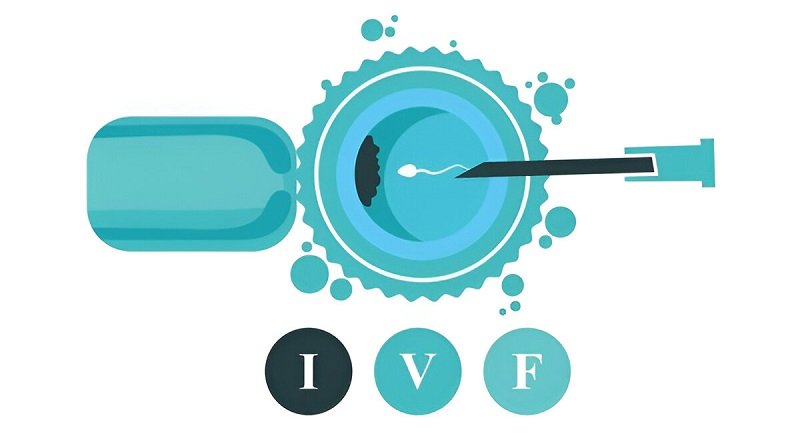
IVF can be described as a multiple-step reproductive technique which involves stimulating the ovaries in order to produce numerous eggs, removing eggs from the eggs’ nest, fertilizing them using the use of sperm in a lab, and then transferring the resulting embryos to the uterus. Each step is closely controlled by fertility experts to ensure security and effectiveness.
Although IVF generally is safe, it is a process that involves hormone interventions, small procedures and monitoring that could cause different degrees of discomfort. Understanding the medical aspects as well as the potential pain points and the specific factors that can cause discomfort is essential for anyone who is considering IVF to be performed in India.
IVF Process Step-by-Step
The following table describes the process of IVF in India:
| Step | What Happens |
| 1. Consultation | Meet the fertility doctor. Basic tests are done to understand your body’s needs. |
| 2. Hormone Injections | Women take hormone injections for 10–12 days to produce multiple eggs. |
| 3. Egg Retrieval | Eggs are collected from the woman’s ovaries using a small needle (painless with light sedation). |
| 4. Sperm Collection | The male partner gives a sperm sample. Donor sperm can be used if needed. |
| 5. Fertilization | Eggs and sperm are mixed in the lab. If fertilization happens, embryos are formed. |
| 6. Embryo Culture | Embryos grow in the lab for 3–5 days. The best quality embryos are selected. |
| 7. Embryo Transfer | One embryo is placed into the woman’s uterus. It’s a simple and painless procedure. |
| 8. Pregnancy Test | After 10–14 days, a blood test is done to check if pregnancy has started. |
IVF Cost in India
The typical IVF cost in India falls between ₹1,10,000 and ₹2,20,000 for each cycle. But keep in mind, that’s just the starting point. Depending on what you need, extra procedures and tests can bump up the total cost. It really hinges on several factors, like the age of the couple, especially the woman, the number of IVF attempts needed to achieve success, the use of cutting-edge technology and techniques that can boost the success rate, and the experience and skill of the fertility doctors or IVF specialists involved.
Here’s a quick breakdown of the costs:
The following helps you understand the cost of IVF in India:
| Types of IVF treatment in India | The cost of IVF treatment in India (INR) |
| IVF with self-egg and sperm cost in India | INR 1,50,000 |
| IVF with ICSI cost in India | INR 1,65,000-1,85,000 |
| IVF with donor egg cost in India | INR 2,06,000-3,00,000 |
| IVF with donor sperm cost in India | INR 2,10,000 |
| IVF with Laser Assisted Hatching (LAH) cost in India | INR 2,10,000-2,20,000 |
| IVF with donor embryo cost in India | INR 2,05,000-3,00,000 |
| IVF with PGD technique cost in India | INR 3,00,000 |
The following will help you to understand the IVF treatment cost in different states of India:
| States of India | Cost of IVF in different states of India (INR) |
| IVF cost in India | INR 1,50,000 to INR 1,80,000 |
| IVF cost in Raipur | INR 1,40,000 to INR 2,00,000 |
| IVF cost in Delhi | INR 1,40,000 to INR 2,30,000 |
| IVF cost in Mumbai | INR 1,50,000 to INR 2,40,000 |
| IVF cost in Punjab | INR 1,00,008 to INR 2,00,000 |
| IVF cost in Haryana | INR 1,40,000 to INR 2,00,000 |
| IVF cost in Rajasthan | INR 1,50,000 to INR 2,00,000 |
| IVF cost in Uttar Pradesh | INR 1,40,000 to INR 2,10,000 |
| IVF cost in Madhya Pradesh | INR 1,40,000 to INR 2,20,000 |
| IVF cost in Dehradun | INR 1,40,000 to INR 2,00,000 |
| IVF cost in Bihar | INR 1,30,000 to INR 2,00,000 |
| IVF cost in Jharkhand | INR 1,40,000 to INR 2,00,000 |
| IVF cost in Assam | INR 1,20,000 to INR 1,80,000 |
| IVF cost in Gujrat | INR 1,40,000 to INR 2,80,000 |
| IVF cost in Tamil Nadu | INR 1,40,000 to INR 2,30,000 |
| IVF cost in Andhra Pradesh | INR 1,40,000 to INR 2,00,000 |
| IVF cost in Himachal Pradesh | INR 1,40,000 to INR 2,20,000 |
Factors That Affect Pain During IVF
The feeling of pain experienced in IVF is a subjective experience and differs between individuals. A variety of factors can affect the degree of discomfort such as the individual’s threshold for pain as well as emotional state as well as medical history, age, and the particular protocols employed by fertility clinics. Hormonal injections could cause swelling or soreness around the injection site. egg retrieval can be a relatively simple surgical procedure that can require anesthesia. However, mild bloating or cramping may occur immediately following the procedure. The procedure is generally non-invasive or can cause mild discomfort, similar to an Smear of Pap. Stress and emotional stress can increase the sensation of pain that occurs in an IVF journey.
Hormonal Stimulation Phase
In the initial stage of IVF hormonal drugs are given to stimulate the ovaries and produce numerous eggs. The typical procedure is daily injections over a period of 10-14 days. Patients might experience minor discomfort, redness, or bruising around the site of injection. Hormonal fluctuations can cause the appearance of bloating, mood swings breast tenderness, or abdominal cramps. Fertility specialists check on patients through scans, blood tests and ultrasounds to alter dosages and limit the effects of side negative effects. If they are guided properly, the majority of women can tolerate this phase very comfortably, and the discomfort can be managed.
Egg Retrieval Procedure
Egg retrieval is among the most talked about stages of the pain experienced during IVF. The procedure is carried out under light sedation or anesthesia to ensure that the patient doesn’t experience any significant discomfort. Utilizing ultrasound guidance an instrument is implanted into the ovaries in order to take mature eggs. A few minor cramps, bloating or spotting could be experienced following the procedure. The recovery process is generally rapid, and the majority of patients can resume their normal activities within one or two days. A well-planned anesthesia plan and post-procedure care greatly reduce discomfort and make this stage bearable.
Embryo Transfer Procedure
The process of embryo transfer generally is painless or results in little discomfort. A small catheter is passed through the cervix to the uterus and embryos are then carefully placed. Patients may experience mild cramping or sensations of pressure like a gynecological test. The procedure is simple and doesn’t require anesthesia, in most instances. Clinics for fertility in India provide comfort through delicate handling, a comfortable position and emotional support throughout the transfer.
Pain Management and Comfort Measures
Fertility clinics employ various methods to lessen the pain of IVF. Local anesthesia or sedation can be utilized for egg retrieval. The use of painkillers can be prescribed after the procedure to alleviate discomfort or cramps. A gentle approach to embryo transfer shorter procedure times and the assistance of a staff member make for a more pleasant experience. Counseling, emotional support and relaxation techniques such as yoga or meditation may also aid patients in coping with stress. Stress can increase the sense of discomfort.
Emotional and Psychological Factors
The emotional experience of IVF can affect how people perceive pain. Stress, anxiety and anxiety can increase the sense of physical discomfort. Counseling, support groups and a clear communications with medical staff could decrease anxiety and improve the overall experience. Being aware of every step, having realistic expectations and being mentally prepared will help make IVF less daunting and decrease the fear of pain, leading to a more pleasant and positive experience.
Recovery and Post-Procedure Discomfort
Following egg retrieval and embryo transfer, minor discomfort may be experienced. Bloating, cramping, spotting or fatigue could be experienced, but usually resolves in several days. Fertility experts provide guidelines for relaxation, hydration, and moderate activity. After-procedure monitoring ensures any issues are dealt with quickly. The majority of patients report that the discomfort is not long-lasting and manageable. Furthermore, the potential advantages of IVF surpass the minor discomfort that patients experience in the course of treatment.
Key Points About Pain During IVF in India
1. Pain is subjective
The tolerance of each person to pain is different. Women may experience mild discomfort, whereas others be experiencing more intense cramping, or the sensation of bloating. A woman’s emotional state, her medical background, and hormonal reactions have a major impact on the way that pain is perceived in IVF.
2. Hormonal Stimulation Can Cause Mild discomfort
Injections every day during ovarian stimulation can cause bruising, soreness, or a small amount of swelling at the injection location. The hormonal changes can also cause the appearance of bloating, mood swings and tenderness in the breasts. Many women find these signs manageable with the right direction and regular monitoring.
3. Egg Retrieval is a little painful
Under anesthesia or sedation the procedure is usually non-stressful throughout the procedure. After the procedure, mild swelling, cramping or spotting can occur. It is easy to recover and patients can are back to their normal routines within about one and a half to two days.
4. The process of transferring embryos is usually painless
The process involves inserting a small catheter through the uterus. The majority of women feel little or no pain, but there may be some pressure or cramps in some instances. The procedure is simple and safe. It is not requiring anesthesia in the majority of clinics.
5. Pain Management Strategies
Fertility clinics can provide anesthesia, sedation, as well as prescribed painkillers that can reduce discomfort. Counseling, emotional support and relaxation techniques such as yoga or meditation may also minimize the perception of pain caused by stress and provide a more relaxing IVF experiences.
6. The emotional factors that cause pain
Stress anxiety, fear, and stress can increase the feeling of the sensation of. Counseling group support, as well as regular communication with medical professionals assist patients with managing their anxiety, stress and depression and anxiety, making IVF less daunting and improving the patient’s overall experience and comfort throughout the process of treatment.
7. Post-Procedure Symptoms are Temporary
Following egg retrieval or embryo transfer slight constipation, bloating or fatigue could be felt. These signs are usually short-lived and can be treated by rest, hydration and moderate activity. Medical professionals provide advice to ensure that recovery is easy and secure.
8. The individual experience is different
The degree of discomfort and pain varies depending on the individual. Age and reproductive health, hormonal response, and mental condition all affect the way IVF is perceived. Communication with the clinic as well as a preparedness for any discomfort may aid in setting realistic expectations.
9. Clinics Ensure Comfort
Clinics for fertility in India place a high priority on comfort for patients with trained staff, modern equipment and compassionate treatment. Individualized attention, careful handling of procedures, and continuous monitoring aid in reducing discomfort and improving the overall experience.
10. Benefits outweigh discomfort
While some discomfort is normal However, the benefits that can be derived from IVF, such as achieving pregnancy and becoming parents, usually outweigh any temporary pain. A proper medical treatment along with emotional support and realistic expectations assist patients to navigate the IVF journey with ease and confidence.
Success Rate of IVF in India

The success rate of IVF in India has improved a lot in recent years because of advanced technology, skilled doctors, and better fertility clinics. On average, the success rate of IVF in India is around 40% to 60% per cycle, depending on the couple’s health and age.
- Age factor: Women under 35 usually have higher success rates, sometimes up to 60%. For women above 40, the chances may reduce to 20–30%.
- Clinic and doctor’s experience: Well-experienced doctors and modern labs increase the chances of a positive outcome.
- Lifestyle and health: Maintaining a healthy lifestyle, balanced diet, and stress-free routine also help improve results.
Many couples in India are now achieving their dream of parenthood through IVF. With affordable costs and good success rates, the country is becoming a trusted choice for fertility treatment.
Why trust Next IVF India?
Struggling with infertility can be emotionally and physically challenging, but you don’t have to face it alone. At Next IVF India , we combine advanced science with genuine care and compassion to help you realize your dream of becoming a mom and dad.
Our centre is dedicated to supporting every couple with personalized fertility solutions tailored to your unique needs. We understand how deeply you desire to start or expand your family, and that’s why our expert team, including IVF specialists, gynecologists, embryologists, and supportive staff, stands by your side every step of the way.
Why choose Next IVF India as your trusted fertility partner?
- Comprehensive treatments: From IVF, IUI, and frozen embryo transfer to ovum and semen donation, laparoscopy, ICSI, PGD, and male infertility care, we offer the full spectrum of cutting-edge fertility services.
- High success rates: Our proven protocols and experienced specialists maximize your chances of success.
- Affordable care: Quality fertility treatment should be accessible to all. We provide world-class solutions at pocket-friendly prices without compromising on care or outcomes.
Don’t wait any longer to begin your journey toward parenthood. Contact Next IVF India today at +91 7827636596 or email us at info@nextivf.com. Together, we’ll make your dream of having a family a beautiful reality, with the right centre, the right doctors, and the right care.
Conclusion
IVF in India is not without discomfort, but it is usually manageable and can vary between individuals. Injections with hormones, retrieval of eggs and embryo transfer can result in mild or moderate discomfort, however anesthesia, pain management and emotional support can significantly lessen discomfort during the procedure.
Clinics are focused on comfort for patients and most women find that the experience is pleasant. Learning about the procedure, planning mentally and trusting medical advice will ensure that you have IVF an easier and positive experience. In the end, the slight discomfort that is experienced in IVF is just a minor cost to be paid for the possibility of reaching pregnancy and achieving the desire of becoming a parent.
Frequently Asked Questions (FAQs)
1. Is IVF painful in India?
IVF treatment in India is mostly not painful. The process includes medicines, injections, scans, and small procedures. Most women feel only mild discomfort, not severe pain. Indian IVF clinics use modern equipment and pain-management methods to keep the patient comfortable throughout the treatment.
2. Which step of IVF causes the most discomfort?
The step that may cause the most discomfort is ovarian stimulation, where hormone injections are given to grow eggs. These injections may cause mild pain, bloating, or heaviness in the lower abdomen, but this discomfort is temporary and manageable.
3. Is egg retrieval painful during IVF in India?
Egg retrieval is not painful because it is done under short anesthesia or sedation. The patient does not feel pain during the procedure. After egg retrieval, some women may experience mild cramps or abdominal soreness for one or two days.
4. Is embryo transfer painful or uncomfortable?
Embryo transfer is a simple and painless procedure. It does not require anesthesia and usually feels like a normal pelvic examination. Most women do not feel pain, only slight pressure that lasts for a few minutes.
5. Do IVF injections cause a lot of pain?
IVF injections are given daily for some days and may cause slight pricking pain, redness, or swelling at the injection site. The pain is usually mild and reduces as the body gets used to the injections.
6. Is pain after IVF treatment normal?
Yes, mild pain after IVF is normal. Women may feel bloating, abdominal cramps, breast tenderness, or tiredness. These symptoms are caused by hormones and usually go away within a few days. Severe pain is rare and should be reported to the doctor.
7. How do IVF clinics in India manage pain during treatment?
IVF clinics in India focus strongly on patient comfort. They use anesthesia for procedures, advanced ultrasound guidance, gentle techniques, and pain-relief medicines. Doctors also provide emotional support, which helps reduce stress and fear related to pain.
Read More:-
- Surrogacy Cost in Mexico: Everything You Need to Know Before Starting the Journey
- IVF Cost in Mexico: Full Guide to Affordable and Safe Fertility Treatment
- Top 10 Best Surrogacy Centres in Mexico: Costs, Legal Guide & How to Choose the Right Clinic
- Best IVF Centres in Mexico: Where Expertise Meets Affordability