
Infertility has become an emotional and medical problem for couples in millions across India. Due to the changing nature of life, delays in marriages as well as stress, hormonal disorders and medical conditions increasing the number of couples looking for assisted reproductive technology (ART) like In Vitro Fertilisation (IVF) has grown rapidly in the last 10 years. IVF is no longer seen as a luxury, but rather an essential medical procedure for couples who are incapable of conceiving naturally. One of the major issues in IVF treatments in India is the high price. One IVF cycle could cost in the range of Rs1.2 lakh to more than Rs3 lakh, depending on the location, clinic and the medical complexity of the case. This leads us to an extremely frequent and crucial question: will insurance cover IVF within India?
The answer isn’t easy to determine. Insurance coverage for fertility treatment in India is in the process of evolving and is still insufficient. While a few insurance providers have begun to offer benefits related to infertility but the majority of standard health insurance policies don’t completely provide coverage for IVF procedures. This article gives a comprehensive, clear, well-organised, and simple description of IVF policy coverage for insurance in India. We will look at existing policies, legal considerations as well as the limitations and costs. plans of the government and possible future options to help couples make informed medical and financial decisions.
Understanding IVF and Its Growing Demand in India
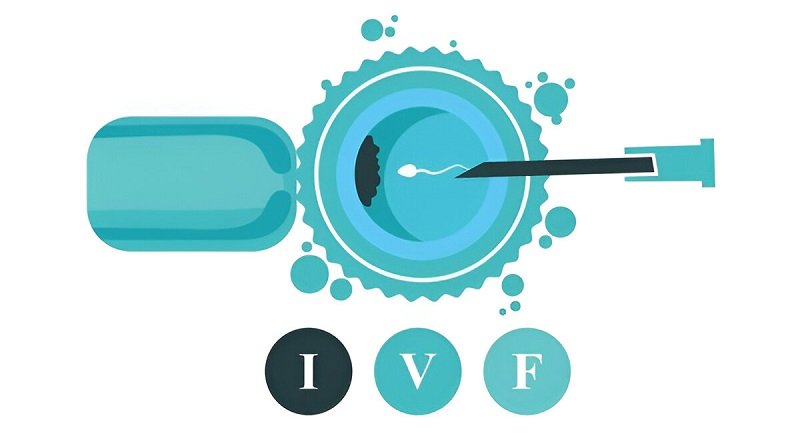
The process of In Vitro Fertilization (IVF) can be described as an medical procedure where an egg is fertilized using external sperm in a lab. The embryo that is born is placed in the uterus of a woman in hopes of achieving the desired pregnancy. IVF is generally advised in situations where other fertility treatments, such as the ovulation induction process or intrauterine insemination (IUI) are unsuccessful or are not successful. This can happen in situations involving fallopian tubes that are blocked, lower sperm count or endometriosis, infertility that is not explained or a mother’s age that is beyond her normal.
Demand in IVF in India has risen significantly because of increased awareness, improved rate of success, and improvements on reproductive health. The rise of urbanization, a career-focused lifestyle and a late approach to family planning also contribute to the fertility issues. In the end, IVF clinics have exploded throughout metropolitan areas as well as tier-2 and Tier-3 facilities. Despite this expansion, however, the financial burden of IVF remains a major problem for families with middle incomes, particularly as multiple cycles are required to attain pregnancy. This pressure on finances means that IVF insurance IVF a crucial topic for debate.
How IVF Works?
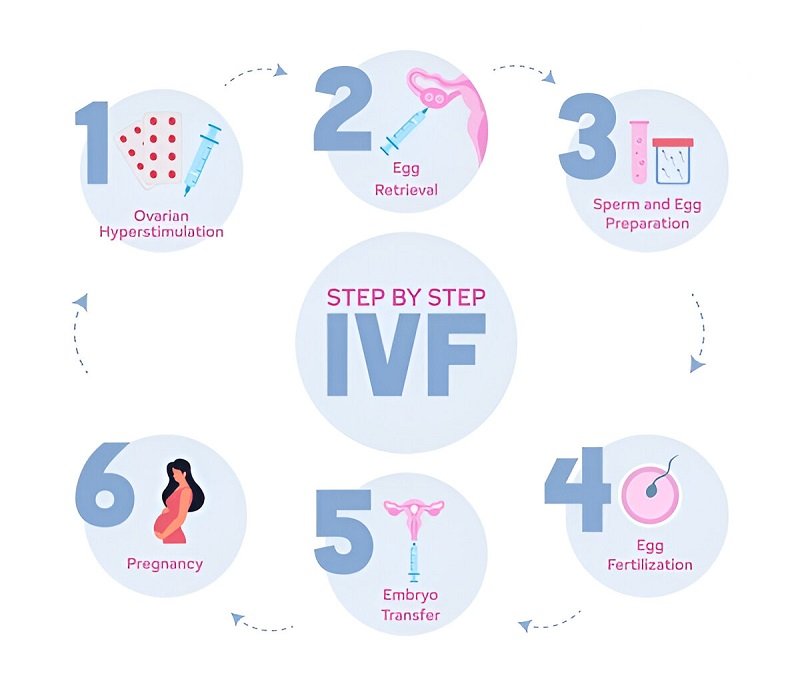
IVF may sound complicated, but when explained step by step, the process becomes much easier to understand. Here’s how it works in India fertility centres:
- Initial Consultation & Tests
The journey begins with a consultation. Doctors review the couple’s medical history, conduct fertility tests, and decide the best treatment plan. - Ovarian Stimulation
The woman is given special fertility medications to stimulate her ovaries to produce multiple eggs instead of just one. This increases the chances of success. - Egg Retrieval
Once the eggs are mature, doctors collect them through a minor procedure. This step is painless and done under mild anaesthesia.
- Sperm Collection
A sperm sample is taken from the male partner (or donor). Healthy sperm are then selected for fertilisation. - Fertilisation in the Lab
The eggs and sperm are combined in a lab dish to create embryos. In some cases, advanced techniques like ICSI (directly injecting sperm into an egg) are used. - Embryo Transfer
After 3–5 days, the healthiest embryo is transferred into the woman’s uterus. The procedure is simple and usually painless. - Pregnancy Test
About two weeks later, a blood test is done to check if pregnancy has been achieved.
Let’s look at the procedure of IVF step-by-step at NEXT IVF:
The following table describes the process of IVF in India:
| Step | What Happens |
| 1. Consultation | Meet the fertility doctor. Basic tests are done to understand your body’s needs. |
| 2. Hormone Injections | Women take hormone injections for 10–12 days to produce multiple eggs. |
| 3. Egg Retrieval | Eggs are collected from the woman’s ovaries using a small needle (painless with light sedation). |
| 4. Sperm Collection | The male partner gives a sperm sample. Donor sperm can be used if needed. |
| 5. Fertilization | Eggs and sperm are mixed in the lab. If fertilization happens, embryos are formed. |
| 6. Embryo Culture | Embryos grow in the lab for 3–5 days. The best quality embryos are selected. |
| 7. Embryo Transfer | One embryo is placed into the woman’s uterus. It’s a simple and painless procedure. |
| 8. Pregnancy Test | After 10–14 days, a blood test is done to check if pregnancy has started. |
Does Health Insurance Cover IVF in India?
In India, most traditional health insurance policies do not cover IVF treatments. Infertility is usually categorized as a condition of the lifestyle instead of a life-threatening condition that is why insurers exempt it from coverage. Costs associated with assisted reproductive methods like IVF ICSI, sperm donation and sperm donation and surrogacy are typically included in exclusions on policies.
But, the situation is changing slowly. Certain insurance companies have launched specific plans or add-ons that offer some coverage for fertility treatments which include IVF. These plans aren’t very widespread and typically come with specific terms and conditions such as waiting periods, waiting time, and even sub-limits. In the majority of cases insurance policies be able to cover diagnostic tests that are related to infertility, but not the actual IVF procedure. So, even though some support is offered, complete IVF coverage is not common in India.
What is the reason IVF is usually excluded from insurance coverage?
One of the primary reasons IVF isn’t covered under the standard health insurance plan is because of its nature as an elective. Insurance companies generally look at IVF as a planned procedure, rather than an urgent medical necessity. In addition, IVF involves high costs and uncertain success rates and the possibility of having multiple treatments, which can increase the risk of financial loss for insurers.
Another issue is the absence of clear regulations that mandate the coverage of infertility in insurance policies. In contrast to maternity benefits, which are regulated to some degree, fertility treatments aren’t legally recognised and are not insured by insurance companies. Additionally, IVF outcomes vary widely depending on the patient’s age, medical history and lifestyle. This makes it difficult for insurers to define the terms of their coverage.
Types of insurance policies that may offer IVF coverage
1. Specialized Insurance Plans for Infertility
Certain insurance companies offer specific plans for infertility which cover diagnostic tests, consultations and a limited amount of IVF costs. They typically come with long wait times and have capped benefits. They are best for couples who are planning IVF ahead and are willing to pay more for a specific fertility plan.
2. Corporation Health Insurance policies
Certain insurance policies offered by the employer provide infertility insurance as part of wellness programs for employees. These benefits can be used to cover IVF in part, or even reimburse certain expenses. The coverage varies for employers and insurance company, which makes it important to read the policy carefully.
3. Add-on Riders for treatment of fertility
Certain health insurance companies offer the coverage for infertility as an added-on rider. This is a requirement for paying an additional fee and is usually accompanied by limitations such as limits on limitations on the amount of coverage, waiting periods and coverage only for medically required procedures.
4. Maternity Insurance and Infertility Benefits
Certain maternity insurance policies offer a limited amount of coverage for infertility mostly diagnostic tests or hormone treatments. IVF procedures are not often covered however, these policies could assist in reducing initial investigation costs.
What IVF-related expenses are usually not covered?
Although policies may mention benefits of IVF, a lot of expenses aren’t covered. They typically include the costs of ovarian stimulation medications, procedures for retrieving eggs including the freezing of embryos and embryos donor eggs or surrogacy arrangements, sperm and genetic tests. Hospitalization expenses associated with IVF can also be omitted in the event of complications.
Insurance companies typically impose limitations on the amount of infertility claims that can be claimed that means the amount of reimbursement could be considerably less than the actual amount. In addition, policies can only cover one IVF cycle or limit the coverage according to limitations on age and medical eligibility requirements. Knowing the exclusions can be crucial to avoid unexpected financial costs when you undergo treatment.
Legal and regulatory perspective on IVF insurance in India
India has a lack of a complete legal framework for the insurance coverage of infertility treatments. In the meantime, the Insurance Regulatory and Development Authority of India (IRDAI) has been encouraging insurers to develop innovative products, however it hasn’t mandated IVF coverage. Therefore, insurers are in complete control of whether or not to include IVF treatments.
The Assisted Reproductive Technology (ART) Act, 2021 concentrates on the regulation of fertility clinics as well as protecting those rights for patients as well as donors. While it increases transparency and ethical practices, it doesn’t deal with the issue of insurance protection for IVF. Thus, couples have to depend on private insurance or pay out-of-pocket for IVF treatments.
Government Schemes and IVF Coverage
The majority of health insurance programs that are backed by the government of India don’t include IVF treatments. Programs like Ayushman Bharat Pradhan Mantri Jan Arogya Yojana (PM-JAY) are focused on lifesaving treatment and hospitalization for the economically less privileged. Treatments for infertility are usually excluded from these plans.
A few state governments have talked about or rolled out fertility assistance programs but the programs are limited and aren’t widespread. Couples looking to get IVF through government programs should check the eligibility requirements and benefits available with local health authorities and public hospitals.
Cost of IVF in India and financial planning

The typical IVF cost in India falls between ₹1,10,000 and ₹2,20,000 for each cycle. But keep in mind, that’s just the starting point. Depending on what you need, extra procedures and tests can bump up the total cost. It really hinges on several factors, like the age of the couple, especially the woman, the number of IVF attempts needed to achieve success, the use of cutting-edge technology and techniques that can boost the success rate, and the experience and skill of the fertility doctors or IVF specialists involved.
Here’s a quick breakdown of the costs:
The following helps you understand the cost of IVF in India:
| Types of IVF treatment in India | The cost of IVF treatment in India (INR) |
| IVF with self-egg and sperm cost in India | INR 1,50,000 |
| IVF with ICSI cost in India | INR 1,65,000-1,85,000 |
| IVF with donor egg cost in India | INR 2,06,000-3,00,000 |
| IVF with donor sperm cost in India | INR 2,10,000 |
| IVF with Laser Assisted Hatching (LAH) cost in India | INR 2,10,000-2,20,000 |
| IVF with donor embryo cost in India | INR 2,05,000-3,00,000 |
| IVF with PGD technique cost in India | INR 3,00,000 |
The following will help you to understand the IVF treatment cost in different states of India:
| States of India | Cost of IVF in different states of India (INR) |
| IVF cost in India | INR 1,50,000 to INR 1,80,000 |
| IVF cost in Raipur | INR 1,40,000 to INR 2,00,000 |
| IVF cost in Delhi | INR 1,40,000 to INR 2,30,000 |
| IVF cost in Mumbai | INR 1,50,000 to INR 2,40,000 |
| IVF cost in Punjab | INR 1,00,008 to INR 2,00,000 |
| IVF cost in Haryana | INR 1,40,000 to INR 2,00,000 |
| IVF cost in Rajasthan | INR 1,50,000 to INR 2,00,000 |
| IVF cost in Uttar Pradesh | INR 1,40,000 to INR 2,10,000 |
| IVF cost in Madhya Pradesh | INR 1,40,000 to INR 2,20,000 |
| IVF cost in Dehradun | INR 1,40,000 to INR 2,00,000 |
| IVF cost in Bihar | INR 1,30,000 to INR 2,00,000 |
| IVF cost in Jharkhand | INR 1,40,000 to INR 2,00,000 |
| IVF cost in Assam | INR 1,20,000 to INR 1,80,000 |
| IVF cost in Gujrat | INR 1,40,000 to INR 2,80,000 |
| IVF cost in Tamil Nadu | INR 1,40,000 to INR 2,30,000 |
| IVF cost in Andhra Pradesh | INR 1,40,000 to INR 2,00,000 |
| IVF cost in Himachal Pradesh | INR 1,40,000 to INR 2,20,000 |
Things to check before buying IVF insurance coverage
1. Awaiting Period
The majority of insurance plans for infertility have lengthy waiting times that range between two and four years. Couples must be aware of this particularly if they are contemplating immediate treatment as claims can’t be filed during the waiting time.
2. Limitations on Coverage
Infertility policies typically have limits for IVF costs. Knowing the maximum amount of claim can help determine if the policy offers significant financial assistance or just the bare minimum of reimbursement.
3. Age Restrictions
Some insurance plans have limitations on the age of infertility particularly for women. Some policies do not be able to cover IVF after an age limit, which makes it crucial to determine the eligibility requirements prior to.
4. Total number of cycles covered
Certain policies will only cover just one IVF cycle, whereas other policies may cover multiple cycles with strict requirements. Understanding this information helps couples plan their treatment with no unanticipated expenses.
Future of IVF Insurance Coverage in India
The insurance market in India is changing slowly and coverage of infertility is getting more attention. Due to rising infertility rates and increasing acceptance in society in assisted reproduction there’s a rising pressure on insurers to incorporate fertility treatments as part of their mainstream policies. The corporate health insurance plans have been leading the way by providing IVF benefits in their retention strategies.
In the future, more clear regulations, increased public awareness and demand-driven innovations may prompt insurers to provide more extensive cost-effective IVF coverage. But until these changes are widely accepted couples must be aware of the options available and plan their the finances on their own.
Success Rate of IVF in India

The IVF success rate in India varies based on several factors, including the woman’s age, the quality of eggs and sperm, the clinic’s expertise, and the specific IVF techniques used. While precise statistics for Delhi are limited, we can look at general trends observed in similar settings.
- Women under 35: Generally experience higher success rates, often ranging from 40% to 45% per IVF cycle. This age group typically has healthier eggs and a better response to treatment.
- Women aged 35–37: Success rates tend to decrease slightly, with averages around 30% to 35% per cycle.
- Women over 40: Success rates drop further, averaging between 10% and 15% per cycle. However, using donor eggs can significantly improve these odds.
It’s important to note that these are general estimates. Individual success can vary, and factors like lifestyle, underlying health conditions, and the specific IVF protocol used play crucial roles.
| IVF Program | Success Rate per Cycle |
| IVF with Own Eggs & Sperm | 50 to 60% |
| IVF with Donor Eggs | 70 to 95% |
| IVF with Donor Sperm | 70 to 85% |
| IVF with Donor Embryos | 60 to 85% |
| Frozen Embryo Transfer | 50 to 70% |
| IVF with ICSI | 50 to 60% |
The following table lets you understand the success rates based on age:
| The success rate of IVF based on age | The success rate of IVF in India |
| women with age between 20 to 25 years | Up to 98% |
| women with age between 25 to 35 years | Up to 95% |
| women with age between 35 to 40 years | Up to 73% |
| women with age between 40 to 45 years | 40 to 70% |
| women with age between 45 to 50 years | 35 to 60% |
Why Trust Next IVF India?
At Next IVF India Centre, we understand that becoming a parent can be challenging. That’s why we are dedicated to providing caring, advanced, and personalised solutions for fertility problems. Our team of fertility specialists uses the latest technology and proven methods to help you achieve your dream of parenthood.
We believe in combining medical excellence with compassionate care, making sure every patient feels supported throughout their journey. Whether you are facing infertility issues, planning for IVF, or exploring other fertility treatments, you can rely on Next IVF Centre for complete guidance and support.
We offer advanced fertility treatments in a comfortable, caring, and well-planned environment to make your parenthood journey smoother and more hopeful.
Don’t wait any longer to start your journey to parenthood. Reach out to Next IVF Delhi today at +91 7827636596 or email us at info@nextivf.com. Together, we’ll turn your hope into a happy family, with the right center, expert doctors, and heartfelt care.
Conclusion
So, does insurance cover IVF in India? As of now, the coverage is limited and selective. Most standard health insurance policies in India do not include IVF treatment because infertility is still viewed by insurers as an elective or lifestyle-related condition rather than a critical medical necessity. While this approach is slowly changing, full IVF coverage is still not a common feature in regular health insurance plans.
Some progress has been made through specialized infertility insurance plans, corporate health policies, and add-on riders, which offer partial financial support for fertility treatments. However, these options usually come with waiting periods, sub-limits, age restrictions, and exclusions, meaning couples still need to bear a significant portion of the cost themselves. Government health insurance schemes also do not currently cover IVF in India.
Given the high cost of IVF and the uncertainty of success in a single cycle, couples should not rely solely on insurance. Careful financial planning, understanding policy terms, exploring clinic payment plans, and seeking professional advice are essential steps. As awareness around infertility grows and demand increases, IVF insurance coverage in India may improve in the future. Until then, informed decision-making remains the best way to manage both emotional and financial stress during the IVF journey.
Frequently Asked Questions (FAQs)
1. Does insurance cover IVF in India?
In most cases, IVF is not covered under standard health insurance policies in India. Some specialised or corporate insurance plans may offer partial coverage, but full IVF expenses are usually not included.
2. Why is IVF not covered by most insurance companies?
Insurance providers often consider IVF an elective or planned procedure with high costs and uncertain success rates. Due to the lack of legal mandates, insurers are not required to include infertility treatments in regular policies.
3. Are any IVF-related tests covered by insurance?
Yes, some health insurance policies may cover diagnostic tests for infertility, such as blood tests or ultrasounds. However, the actual IVF procedure, medicines, and lab costs are generally excluded.
4. Do corporate health insurance plans cover IVF?
Some employer-sponsored group insurance plans offer partial IVF coverage as part of employee benefits. Coverage limits, eligibility, and reimbursement amounts vary depending on the employer and insurer.
Read More:-
- Surrogacy Cost in Mexico: Everything You Need to Know Before Starting the Journey
- IVF Cost in Mexico: Full Guide to Affordable and Safe Fertility Treatment
- Top 10 Best Surrogacy Centres in Mexico: Costs, Legal Guide & How to Choose the Right Clinic
- Best IVF Centres in Mexico: Where Expertise Meets Affordability