
The dream of becoming a parent is one that many couples hold close to their hearts. However, when natural conception becomes difficult, assisted reproductive technologies like In Vitro Fertilization (IVF) offer a powerful solution. The Philippines has emerged as a promising destination for IVF, offering advanced fertility treatments at a more affordable cost than many Western countries. With a growing number of world-class fertility clinics, experienced specialists, and patient-centered services, couples from both local and international backgrounds are considering IVF in the Philippines as a hopeful step toward parenthood.
In this detailed article, we’ll guide you through everything you need to know about IVF and particularly focus on the IVF Cost in Philippines. From understanding what IVF is to exploring the actual costs, success rates, and factors that influence pricing, we’ll cover it all. Whether you’re a Filipino resident or an international couple exploring options abroad, this guide is designed in a friendly, informative tone to help you make confident and clear decisions.
What is IVF?
In Vitro Fertilization (IVF) is a type of assisted reproductive technology (ART) that helps individuals or couples conceive a child when natural methods are not successful. IVF involves a series of steps that include egg retrieval, fertilization in a lab, embryo culture, and embryo transfer to the uterus.
The process begins with hormonal medications that stimulate the ovaries to produce multiple eggs. These eggs are then retrieved through a minor surgical procedure and fertilized with sperm in a laboratory. The resulting embryos are monitored for a few days, and one or more healthy embryos are transferred into the woman’s uterus.
IVF can be used to treat a range of fertility issues, including blocked fallopian tubes, male infertility, ovulation disorders, and unexplained infertility. It can also be combined with other techniques such as ICSI (Intracytoplasmic Sperm Injection), PGT (Preimplantation Genetic Testing), and egg/sperm donation.
The IVF process requires emotional strength and patience, but it offers hope to those struggling with infertility. With proper medical guidance and support, IVF can be a life-changing journey toward parenthood.
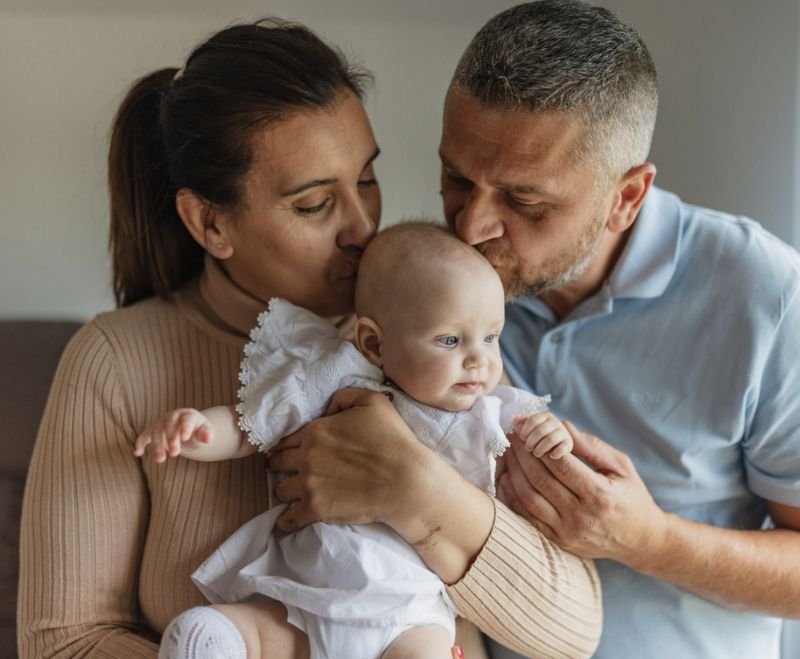
IVF process Step-by-Step
The following table describes the process of IVF in the Philippines:
| Step | What Happens |
| 1. Consultation | Meet the fertility doctor. Basic tests are done to understand your body’s needs. |
| 2. Hormone Injections | Women take hormone injections for 10–12 days to produce multiple eggs. |
| 3. Egg Retrieval | Eggs are collected from the woman’s ovaries using a small needle (painless with light sedation). |
| 4. Sperm Collection | The male partner gives a sperm sample. Donor sperm can be used if needed. |
| 5. Fertilization | Eggs and sperm are mixed in the lab. If fertilization happens, embryos are formed. |
| 6. Embryo Culture | Embryos grow in the lab for 3–5 days. The best quality embryos are selected. |
| 7. Embryo Transfer | One embryo is placed into the woman’s uterus. It’s a simple and painless procedure. |
| 8. Pregnancy Test | After 10–14 days, a blood test is done to check if pregnancy has started. |
Key reasons people choose IVF in the Philippines
1. Cost-Effective Treatments
IVF in the Philippines is significantly more affordable than in the US, UK, or Australia. Patients receive high-quality care at a fraction of the cost.
2. World-Class Medical Facilities
Many IVF clinics are equipped with modern technology, well-trained staff, and state-of-the-art labs for fertility treatment.
3. Friendly English-Speaking Staff
Since English is widely spoken, there is no language barrier. This makes communication between patients and doctors easier and smoother.
4. Minimal Waiting Time
Unlike some countries where you need to wait for months, IVF treatments in the Philippines can be started almost immediately.
5. Popular Medical Tourism Destination
The Philippines is also known for medical tourism. Patients can combine treatment with a relaxing stay in a beautiful, tropical country.
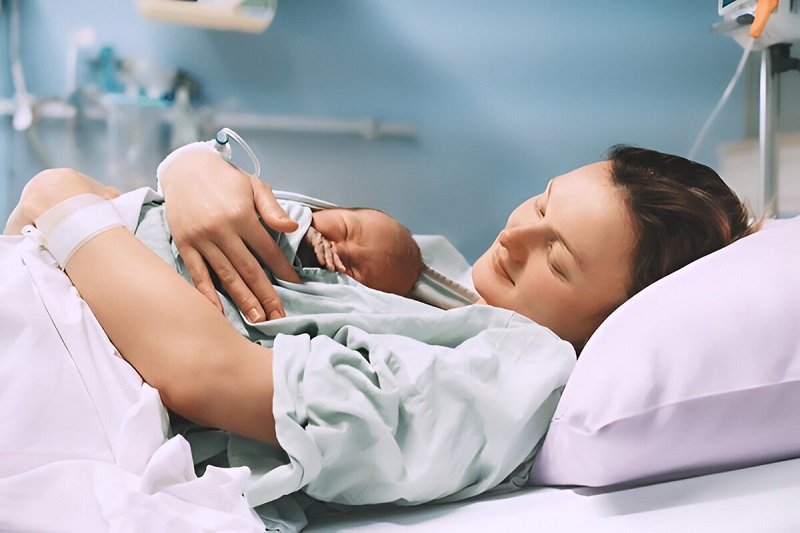
IVF Cost in Philippines
In comparison to other countries, IVF Cost in Philippines is relatively affordable. However, the cost can vary depending on the clinic, the patient’s medical condition, and additional procedures.
Most IVF packages in the Philippines include the basic services such as consultation, ultrasound, egg retrieval, fertilization, embryo transfer, and follow-up. Some advanced clinics may also offer packages that include medications, embryo freezing, and even donor programs.
| Service / Procedure | IVF Cost in Philippines (PKR) |
| Initial Consultation | 2,000 – 5,000 |
| Hormonal Medication (Stimulation) | 60,000 – 150,000 |
| Blood Tests and Ultrasounds | 20,000 – 40,000 |
| Egg Retrieval (Oocyte Pick-Up) | 30,000 – 50,000 |
| Laboratory Charges (Fertilization Process) | 70,000 – 100,000 |
| Embryo Culture and Monitoring | 30,000 – 50,000 |
| Embryo Transfer | 20,000 – 40,000 |
| IVF Package (Standard Cycle All Inclusive) | 300,000 – 550,000 |
| Frozen Embryo Transfer (if required) | 50,000 – 80,000 |
| Embryo Freezing & Storage (per year) | 20,000 – 40,000 |
| ICSI (if required) | 50,000 – 100,000 (additional) |
| Donor Sperm/Egg (if required) | 70,000 – 150,000 (additional) |
| PGD/PGS Genetic Testing (optional) | 100,000 – 250,000 (additional) |
The following is the table of expenses involved in the procedure of IVF packages at Next IVF Philippines:
| Other Countries | Cost Range (USD) |
| IVF Cost in India | 1,500 – 3,000 |
| IVF Cost in UAE (Dubai) | 4,000 – 7,000 |
| IVF Cost in USA | 12,000 – 15,000 |
| IVF Cost in Russia | 3,000 – 6,000 |
| IVF Cost in Turkey | 3,500 – 6,500 |
| IVF Cost in Ukraine | 2,500 – 5,000 |
Factors that affect IVF cost in Philippines
1. Age of the Female Partner
Older women need more medications and IVF attempts, which increases the total cost of the fertility treatment process.
As women grow older, especially after age 35, egg quality and quantity reduce. This means more hormonal injections, extra tests, and sometimes multiple IVF cycles are needed to achieve pregnancy. All these add up in cost. Younger women usually require less medication and fewer cycles, making their overall treatment less expensive and often more successful in a shorter time.
2. Fertility Medications Used
The type, brand, and amount of fertility drugs used can increase your total IVF cost significantly.
Fertility medications are given to stimulate the ovaries. Some women respond quickly, while others may need stronger or longer medication cycles. These drugs are one of the biggest parts of IVF expenses. Imported or branded medications cost more than generic ones. If your treatment needs higher doses, you’ll end up paying more — which is why medication type plays a big role in total cost.
3. Use of Donor Eggs or Sperm
Using donor eggs or sperm adds cost due to extra screening, donor fees, legal paperwork, and lab processing charges.
When a couple cannot use their own eggs or sperm, the clinic may recommend donor options. These require more steps like matching, testing, freezing, and preparing the donor sample. These steps involve legal and ethical documentation too. Altogether, donor-based IVF is more expensive than a regular cycle, but sometimes it’s the only path to success, especially in cases of poor-quality gametes.
4. Additional Procedures, Like ICSI or PGT
ICSI and PGT improve chances but require advanced technology, making the IVF cycle costlier than basic procedures.
ICSI helps when sperm have issues, and PGT checks for genetic problems in embryos before transfer. These are done in modern labs using special tools and trained embryologists. As a result, you pay extra fees. Though they increase cost, these techniques can help avoid failed cycles or inherited disorders, especially if you have a medical history or severe infertility.
5. Clinic Location and Reputation
Well-known clinics in major cities often charge more due to better equipment, expert staff, and higher success rates.
Clinics in cities like Manila or Cebu often have advanced labs and more experienced fertility specialists. Their higher success rates attract more patients, which may lead to slightly higher fees. However, these clinics also provide more confidence, better results, and support services. So, paying a bit more for a reputable centre can be worth it for many couples seeking a safe and effective IVF experience.

Success rate of IVF in the Philippines
The success rate of IVF in the Philippines is comparable to international standards, especially in top fertility clinics. However, it’s important to note that success rates can vary depending on several factors, including the woman’s age, the cause of infertility, the quality of the eggs and sperm, and the number of embryos transferred.
On average, women under the age of 35 have a success rate of around 40–50% per cycle. This rate gradually decreases with age, especially for women above 40, where the chances may drop to around 10–20%. Clinics using advanced technologies such as ICSI or PGT often report higher success rates, especially in cases of male infertility or genetic concerns.
Another critical factor is the expertise of the embryologist and the quality of the IVF laboratory. The more experienced the team and the better the lab conditions, the higher the chances of a successful embryo transfer.
Couples should also understand that success may not come in the first cycle. Many require multiple attempts. Emotional and mental strength play a big role during the treatment journey. Fortunately, most IVF clinics in the Philippines offer counselling and support programs to help couples cope with the emotional challenges of infertility treatment.
Why is the Philippines a safe choice for international patients?
The Philippines is becoming a hub for medical tourism, especially in the field of reproductive health. International patients are increasingly choosing it for high-quality, affordable IVF treatments. Here’s why the Philippines is considered a smart and safe choice:
- Transparent Medical Practices
Fertility clinics in Philippines are known for their clear communication and ethical standards. Every procedure, risk, and cost is explained in detail before treatment begins. - Skilled Fertility Experts
Many IVF specialists in the Philippines have received training or certifications from renowned institutions abroad. Their knowledge of international medical practices ensures reliable care. - English-Speaking Staff
Most fertility clinics in the Philippines have English-speaking staff, making it easier for international patients to communicate with doctors, nurses, and coordinators. - Convenient Travel Access
Philippines offers visa-on-arrival or simplified visa processes for citizens of many countries. Major cities like Karachi, Lahore, and Islamabad are connected with international airports, making travel smoother. - Affordable Accommodation
Philippines has a wide range of budget-friendly hotels and furnished apartments. Clinics often assist with accommodation and transport, reducing the stress for international visitors. - Legal Framework for IVF
IVF and related services are legally practiced in Philippines under medical and ethical guidelines. Services like egg donation and embryo freezing are offered with proper consent and documentation.

Why trust Next IVF Philippines?
Struggling with infertility can be emotionally and physically challenging, but you don’t have to face it alone. At Next IVF Philippines, we combine advanced science with genuine care and compassion to help you realize your dream of becoming a mom and dad.
Our centre is dedicated to supporting every couple with personalized fertility solutions tailored to your unique needs. We understand how deeply you desire to start or expand your family, and that’s why our expert team, including IVF specialists, gynecologists, embryologists, and supportive staff, stands by your side every step of the way.
Why choose Next IVF Philippines as your trusted fertility partner?
- Comprehensive treatments: From IVF, IUI, and frozen embryo transfer to ovum and semen donation, laparoscopy, ICSI, PGD, and male infertility care, we offer the full spectrum of cutting-edge fertility services.
- High success rates: Our proven protocols and experienced specialists maximize your chances of success.
- Affordable care: Quality fertility treatment should be accessible to all. We provide world-class solutions at pocket-friendly prices without compromising on care or outcomes.
Don’t wait any longer to begin your journey toward parenthood. Contact Next IVF Philippines today at +91 7827636596 or email us at info@nextivf.com. Together, we’ll make your dream of having a family a beautiful reality, with the right centre, the right doctors, and the right care.
Conclusion
Choosing to undergo IVF is a life-changing decision, and selecting the right location for your treatment is equally crucial. The Philippines offers an ideal combination of quality care, affordability, and compassionate service. With increasing success rates, modern infrastructure, and English-speaking medical professionals, the country has become a trusted option for both locals and international couples seeking fertility treatment.
While the IVF Cost in Philippines is lower than many developed nations, this doesn’t come at the expense of care or results. Patients are given personalized treatment plans, emotional support, and transparent cost structures that make the entire journey smoother.
Every couple’s fertility journey is unique. The emotional ups and downs, physical challenges, and financial considerations are all part of the path. But with the right clinic, expert guidance, and emotional strength, IVF can bring the joy of parenthood within reach.
So whether you’re just starting to explore IVF or ready to begin your treatment, the Philippines offers a supportive and hopeful environment to help you take that first step toward building your family.
FAQs (Frequently Asked Questions)
1. Is it safe to undergo IVF treatment in the Philippines?
Yes, IVF in the Philippines is safe when done at certified and experienced fertility clinics. These clinics follow international standards and use modern equipment with skilled doctors and embryologists. The staff is usually well-trained, and proper hygiene and monitoring are maintained throughout the treatment. Choosing a reputable clinic ensures a safe and supportive experience for couples trying to conceive through IVF.
2. How much does a single IVF cycle usually cost in the Philippines?
A single IVF cycle in the Philippines generally costs between PHP 250,000 to 400,000. This includes consultation, egg retrieval, fertilization, embryo transfer, and some follow-up care. However, the cost may increase if additional procedures like ICSI or PGT are needed or if donor gametes are used. It’s important to ask the clinic for a full cost breakdown before starting the process.
3. How many IVF attempts do couples generally need for success?
Many couples succeed in one IVF cycle, but others may require two or more cycles depending on their health condition. Factors like age, egg quality, and sperm health impact the chances of success. While some conceive in the first try, others may need emotional and financial preparation for repeated attempts. Success often improves when the clinic uses advanced technology and provides customized care.
4. Are egg and sperm donation programs legal in the Philippines?
Yes, both egg and sperm donation are legal and medically accepted in the Philippines. Clinics offering donor programs follow strict legal, ethical, and medical screening procedures. Donors are often anonymous, and their health is thoroughly checked before use. This option is especially useful for couples with poor egg or sperm quality who still wish to experience pregnancy and parenthood through IVF.
5. Does health insurance cover IVF treatment expenses in the Philippines?
Most insurance plans in the Philippines do not cover IVF treatment. Since IVF is seen as elective or non-essential, patients usually have to pay from their own pocket. However, some private clinics offer EMI (installment) plans or financial packages to reduce the burden. It’s always wise to confirm with your insurance provider and ask clinics about available financial support options.
6. Can international couples come to the Philippines for IVF treatment?
Yes, international couples are welcome and often visit the Philippines for affordable and quality IVF treatment. Many top clinics have English-speaking staff and offer special services for foreign patients, including virtual consultations, visa help, and travel support. With lower costs and high-quality care, the Philippines is becoming a trusted destination for IVF and fertility tourism for couples from around the world.
Read More:-
- PGD Cost in Kazakhstan – A Complete Guide to Prices, Process & Choosing the Right Clinic
- 10 Best Surrogacy Centre in Kazakhstan – Why Next IVF Kazakhstan Leads the List
- Top 10 Best IVF Centre in Kazakhstan 2025 – Why Next IVF Kazakhstan Leads the Way
- Breakthrough IVF Cost in Kazakhstan – Trusted, Proven Results at Next IVF Kazakhstan